-
373 Block C,C Road, Police Station, Sardarpura Jodhpur



Blog Details
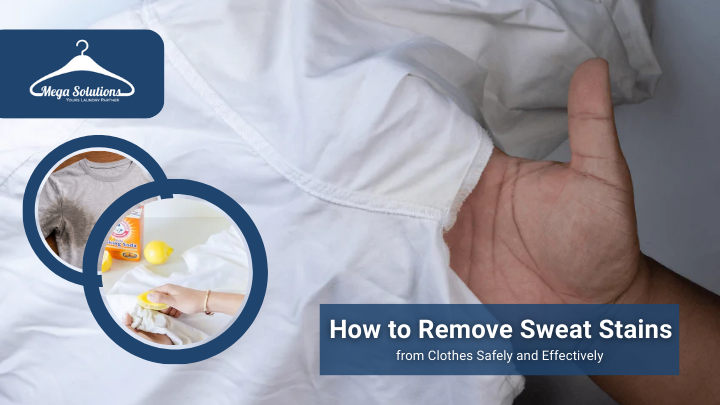
How to Remove Sweat Stains from Clothes Safely and Effectively
Sweat stains are one of the most persistent and common laundry challenges faced by households, professionals, and service-based businesses alike. Whether it is yellow underarm marks on white shirts, chalky deodorant residue on dark clothing, or lingering odors trapped in synthetic fabrics, sweat stains can make even clean clothes look worn and unhygienic.
Understanding how to remove sweat stains from clothes effectively requires more than routine washing. The success of stain removal depends on several factors, including the type of fabric, whether the stain is fresh or old, the presence of deodorant or antiperspirant residue, and the cleaning method used.
This comprehensive guide explains everything you need to know, from why sweat stains form to step-by-step removal methods, fabric-specific care tips, natural and commercial solutions, prevention strategies, and expert advice for long-term garment maintenance.
What Causes Sweat Stains on Clothes?
Sweat itself is colorless. The stains we see on clothing are the result of chemical reactions rather than perspiration alone.
Primary Causes of Sweat Stains
- Aluminum salts in antiperspirants reacting with sweat
- Body oils and skin proteins
- Salt and mineral content in sweat
- Heat exposure from ironing or tumble drying
- Fabric fiber composition and dye sensitivity
Over time, these elements bind to fabric fibers, causing discoloration, stiffness, and odor retention.
Types of Sweat Stains You May Encounter
Identifying the stain type helps determine the correct removal approach.
Yellow Sweat Stains
Most common on white or light-colored garments, especially cotton shirts. These stains are typically caused by aluminum-based antiperspirants reacting with sweat.
White or Chalky Marks
Often seen on dark clothing. This is usually deodorant residue rather than sweat.
Dark or Greasy Stains
Caused by sweat mixing with body oils, common on synthetic fabrics like polyester.
Old or Set-In Sweat Stains
Stains that have gone through repeated washes or heat exposure, making them more difficult to remove.
Essential Rules Before Treating Sweat Stains
Before applying any stain removal method, follow these best practices:
- Act as early as possible
- Always use cold or lukewarm water initially
- Avoid heat until the stain is fully removed
- Test cleaning solutions on a hidden area
- Read and follow garment care labels
- Never mix chemical agents such as vinegar and bleach
How to Remove Fresh Sweat Stains
Fresh sweat stains are easier to remove and often require minimal treatment.
Cold Water Rinse Method
- Rinse the stained area immediately under cold running water
- Gently rub the fabric together
- Wash using a mild detergent
Liquid Detergent Pre-Treatment
- Apply liquid laundry detergent directly to the stain
- Gently massage into the fabric
- Let sit for 15–30 minutes
- Wash in cold or fabric-appropriate water
How to Remove Old or Set-In Sweat Stains
Older stains require deeper treatment and patience.
Baking Soda Paste Method
Best for cotton, linen, and durable fabrics.
- Mix baking soda with water to create a thick paste
- Apply generously to the stained area
- Let sit for 30 minutes to 2 hours
- Gently scrub with a soft brush
- Wash in cold water
White Vinegar Soak
Effective for deodorant buildup and odor removal.
- Mix one part white vinegar with two parts water
- Soak garment for 30–60 minutes
- Rinse thoroughly
- Wash as usual
Hydrogen Peroxide Treatment (Whites Only)
Acts as a mild bleaching agent.
- Mix hydrogen peroxide with baking soda and water
- Apply to yellowed areas
- Let sit for up to one hour
- Wash in cold water
Important: Do not use hydrogen peroxide on colored fabrics.
Fabric-Specific Sweat Stain Removal Tips
Different fabrics require tailored care to avoid damage.
Cotton and Linen
Characteristics: Breathable, durable, absorbent
- Use baking soda or vinegar treatments
- Avoid excessive chlorine bleach
- Wash in cold to warm water
Synthetic Fabrics (Polyester, Nylon, Spandex)
Characteristics: Odor-trapping, heat-sensitive
- Use enzyme-based detergents
- Avoid fabric softeners
- Wash in cold water only
Silk
Characteristics: Delicate, water-sensitive
- Spot clean gently with diluted vinegar or mild detergent
- Avoid soaking
- Air dry only
- Dry clean for heavy stains
Wool
Characteristics: Naturally odor-resistant, shrink-prone
- Use wool-safe detergents
- Blot stains gently
- Avoid agitation and heat
- Lay flat to dry
Denim
Characteristics: Durable, dye-sensitive
- Spot clean inside out
- Wash sparingly
- Use mild detergents
Natural Home Remedies for Sweat Stains
Several effective stain removers are available at home.
- Lemon Juice: Natural bleaching effect
- Salt Solution: Absorbs moisture and odor
- Aspirin Solution: Crush two tablets and dissolve in warm water
Commercial Stain Removers: When to Use Them
For stubborn or recurring stains, commercial solutions may be necessary.
- Enzyme-based
- Oxygen bleach (not chlorine bleach)
- Fabric-safe and color-safe
- Avoid frequent overuse, as strong chemicals can weaken fibers over time.
Sweat Stains vs Deodorant Stains
Understanding the difference improves treatment success.
- White residue: Deodorant buildup
- Yellow discoloration: Sweat and antiperspirant reaction
- Greasy texture: Body oils mixed with sweat
Common Mistakes to Avoid
- Using hot water too early
- Machine drying stained clothes
- Scrubbing delicate fabrics aggressively
- Mixing cleaning chemicals
- Ignoring fabric care labels
How to Prevent Sweat Stains in the Future
Prevention is often more effective than removal.
Clothing Choices
- Wear breathable, moisture-wicking fabrics
- Use undershirts
- Avoid tight-fitting garments
Deodorant Habits
- Allow deodorant to dry before dressing
- Apply antiperspirant at night
- Consider aluminum-free options
Laundry Habits
- Wash clothes promptly
- Rotate frequently worn garments
- Pre-treat underarm areas regularly
Special Care Tips for Workwear and Uniforms
- Rotate garments to reduce wear
- Use oxygen bleach periodically
- Pre-treat high-sweat zones
- Store clothes in breathable environments
When to Choose Professional Dry Cleaning
Professional cleaning is recommended for:
- Suits and structured garments
- Heavy silk or wool fabrics
- Vintage or expensive clothing
- Deeply set or recurring stains
Environmental and Fabric Longevity Considerations
- Use biodegradable detergents
- Limit chlorine bleach usage
- Air dry whenever possible
- Extend garment life through proper care
Final Thoughts
Understanding how to remove sweat stains from clothes is an essential part of proper fabric care and long-term garment maintenance. By identifying the cause of stains, selecting the right removal method for each fabric type, and following preventive care practices, you can significantly extend the life, appearance, and comfort of your clothing.
However, some garments, such as formal wear, delicate fabrics, or heavily set-in sweat stains, require professional handling to avoid fabric damage or discoloration. In such cases, relying on expert dry clean services ensures that stains are treated using fabric-safe techniques, specialized solvents, and industry-grade equipment.
At Mega Solutions , our professional dry clean services are designed to remove stubborn sweat stains, preserve fabric quality, and maintain the original finish of your garments. Whether it is daily wear, office attire, or delicate clothing, professional dry cleaning offers a safe and effective solution when home methods are not enough.
Choosing the right combination of at-home care and trusted dry clean services is the key to keeping your clothes fresh, clean, and long-lasting.
Frequently Asked Questions
What causes sweat stains on clothes?
Sweat stains occur when perspiration reacts with deodorant ingredients, body oils, and fabric fibers. Aluminum compounds in antiperspirants are a common cause of yellow underarm stains.
How do you remove yellow sweat stains from white clothes?
Yellow stains can be treated with a baking soda and hydrogen peroxide mixture. Apply, let sit for 30–60 minutes, and wash in cold water. Avoid heat until the stain is gone.
Can old sweat stains be removed?
Yes. Old sweat stains can often be reduced or removed using repeated treatments with baking soda, white vinegar, or enzyme-based detergents, depending on fabric type.
Is vinegar safe for removing sweat stains?
Diluted white vinegar is safe for most fabrics and effective at breaking down odor and residue. Avoid using it on silk or acetate without testing first.
What is the best way to remove sweat stains from polyester?
Use an enzyme-based detergent, wash in cold water, and avoid fabric softeners. Pre-treat the stained area for best results.
How can sweat stains be prevented?
Wear breathable fabrics, allow deodorant to dry before dressing, wash clothes promptly, and consider aluminum-free antiperspirants.