-
373 Block C,C Road, Police Station, Sardarpura Jodhpur
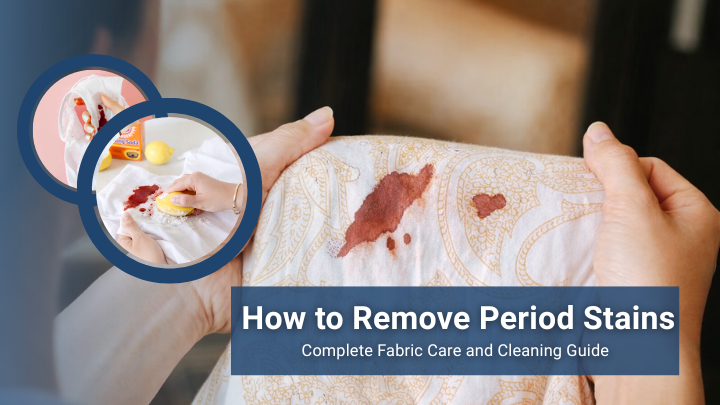
How to Remove Period Stains from Clothes: A Complete Fabric Care and Cleaning Guide
Period stains are one of the most common yet distressing fabric stains encountered in everyday life. Whether it happens at home, at work, during travel, or overnight, menstrual blood stains on clothing, bedding, or upholstery can cause panic and discomfort. Beyond embarrassment, improper cleaning can permanently damage fabrics, leaving behind discoloration, odor, or weakened fibers.
Knowing how to remove period stains effectively is essential for maintaining hygiene, fabric longevity, and garment appearance. However, not all stains are the same. The age of the stain, the type of fabric, and the cleaning method used all play a critical role in successful stain removal.
This comprehensive guide explains everything you need to know, from the science behind period stains to step-by-step cleaning methods for fresh and old stains, fabric-specific cleaning techniques, professional-grade tips, and when to consider expert fabric cleaning services. The information is structured to support search engines, AI assistants, and human readers alike.
Why Period Stains Are Difficult to Remove
Menstrual blood is a protein-based stain. Once exposed to heat, hot water, dryers, or irons, the proteins bind tightly to fabric fibers, making stains harder or even impossible to remove.
Key Factors That Make Period Stains Stubborn
- High protein and iron content in blood
- Absorption into fabric fibers
- Delayed cleaning
- Use of hot water
- Fabric sensitivity (silk, wool, synthetics)
Fresh vs Old Period Stains: What’s the Difference?
Fresh Period Stains
- Still wet or slightly damp
- Easier to remove
- Respond well to cold water and mild detergents
Old or Dried Period Stains
- Have bonded with fabric fibers
- May have gone through washing or drying
- Require soaking, enzyme action, or oxygen-based treatments
The cleaning strategy must change depending on the stain’s age.
Essential Rules Before Cleaning Period Stains
Before attempting any method, follow these universal fabric care principles:
- Always use cold water initially
- Never apply heat before stain removal
- Test cleaning agents on hidden areas
- Avoid harsh scrubbing on delicate fabrics
- Read garment care labels carefully
- Do not mix chemicals such as vinegar and bleach
How to Remove Fresh Period Stains from Clothes
Fresh stains are the easiest to remove if treated immediately.
Cold Water Rinse Method
- Hold the stained area under cold running water
- Allow water to flow through the fabric from the back
- Gently rub fabric together
- Wash with mild detergent
Mild Liquid Detergent Treatment
- Apply liquid detergent directly to the stain
- Let sit for 10–20 minutes
- Rinse with cold water
- Wash normally
How to Remove Old or Dried Period Stains
Older stains require deeper treatment.
Soaking Method with Cold Water
- Soak garment in cold water for several hours or overnight
- Change water if it becomes discolored
- Apply detergent and wash
Baking Soda Paste
- Mix baking soda with cold water
- Apply paste to stained area
- Let sit for 30–60 minutes
- Gently scrub
- Wash in cold water
Hydrogen Peroxide Method (White or Colorfast Fabrics Only)
- Apply 3% hydrogen peroxide directly
- Allow bubbling action to lift stain
- Rinse thoroughly
- Wash immediately
Note: Always test first, hydrogen peroxide may bleach colored fabrics.
Fabric-Specific Period Stain Removal Guide
Different fabrics require different care to avoid damage.
Cotton and Linen
Best Methods:
- Cold water soaking
- Baking soda paste
- Oxygen-based stain removers
Avoid: Excessive chlorine bleach
Synthetic Fabrics (Polyester, Nylon, Spandex)
Challenges: Traps odor and protein stains
- Enzyme-based detergents
- Cold water washing
- Avoid fabric softeners
Silk
Highly delicate
- Blot gently with cold water
- Use mild detergent solution
- Avoid soaking
- Air dry only
- Professional cleaning recommended for heavy stains
Wool
Sensitive to agitation and heat
- Blot with cold water
- Use wool-safe detergent
- Avoid rubbing
- Lay flat to dry
Denim
- Rinse from inside out
- Cold water soak
- Gentle detergent
Upholstery and Bedding
- Blot, do not rub
- Use cold water and mild cleaner
- Avoid overwetting
- Air dry completely
Natural Home Remedies for Period Stains
Salt
- Absorbs blood proteins
- Mix with cold water
- Soak stained area
Lemon Juice (White Fabrics Only)
- Natural bleaching effect
- Apply and air dry
- Wash afterward
Aspirin Solution
- Dissolve crushed tablets in cold water
- Soak stained area
- Wash normally
Commercial Stain Removers: When to Use Them
For persistent stains:
- Choose enzyme-based products
- Prefer oxygen bleach over chlorine bleach
- Follow label instructions carefully
Professional Pro Tips for Period Stain Removal
Pro Tip 1: Act Immediately
Time is the most important factor. Fresh stains respond dramatically better.
Pro Tip 2: Clean from the Back
Pushing the stain out prevents deeper fiber penetration.
Pro Tip 3: Avoid Heat at All Costs
Even one dryer cycle can permanently set a stain.
Pro Tip 4: Repeat Gently
Multiple gentle treatments are better than aggressive scrubbing.
Pro Tip 5: Match the Method to the Fabric
What works for cotton may destroy silk.
Common Mistakes That Ruin Fabrics
- Using hot water too soon
- Scrubbing delicate fabrics
- Mixing cleaning agents
- Drying before stain removal
- Ignoring fabric care labels
Preventing Period Stains in the Future
- Use period-proof underwear
- Change products regularly
- Wear darker clothing during heavy flow
- Pre-treat garments as soon as possible
- Wash stained clothes separately
Environmental and Fabric Longevity Considerations
- Use biodegradable detergents
- Avoid excessive chemical treatments
- Air dry garments
- Extend clothing lifespan through proper care
When Home Cleaning Is Not Enough
- Expensive garments
- Heavy or repeated stains
- Delicate fabrics
- Upholstery and mattresses
- Time-sensitive cleaning needs
This is where professional fabric care solutions provide safe, controlled, and effective stain removal.
Final Thoughts
Understanding how to remove period stains properly is essential for preserving fabric quality, maintaining hygiene, and extending the life of your garments. While many fresh stains can be handled effectively at home, certain fabrics, older stains, and sensitive materials require a more controlled and professional approach.
For situations where home methods are not sufficient, or when garment care, time, and fabric safety are priorities, professional fabric cleaning services offer a reliable solution. Expert fabric care ensures that stains are treated with precision, fabrics remain protected, and garments retain their original look and feel.
Combining informed at-home care with trusted fabric cleaning services is the most effective way to manage period stains while protecting your wardrobe investment.
Frequently Asked Questions
What is the best way to remove period stains from clothes?
Cold water rinsing followed by gentle detergent treatment is the most effective method for fresh stains. Avoid heat until the stain is fully removed.
Can old period stains be completely removed?
Old stains can often be reduced or removed using soaking, enzyme-based detergents, or oxygen treatments. Results depend on fabric type and stain age.
Why should hot water never be used on period stains?
Hot water sets protein-based stains by binding blood proteins to fabric fibers, making stains permanent.
Is hydrogen peroxide safe for period stains?
Hydrogen peroxide works well on white or colorfast fabrics but may bleach colored materials. Always test before use.
How do you remove period stains from delicate fabrics like silk?
Blot gently with cold water and mild detergent. Avoid soaking or scrubbing. Professional cleaning is recommended for heavy stains.
Can fabric cleaning services remove period stains safely?
Yes. Professional fabric cleaning services use specialized solvents, controlled temperatures, and fabric-safe techniques to remove period stains without damaging garments.
How long should period-stained clothes be soaked?
Fresh stains may need only minutes, while older stains may require several hours or overnight soaking in cold water.