-
373 Block C,C Road, Police Station, Sardarpura Jodhpur
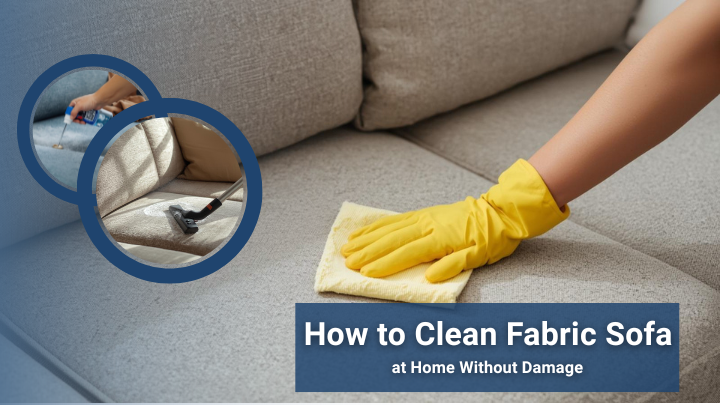
Clean Fabric Sofa at Home Without Damage
Fabric sofas add warmth, comfort, and style to any living space. Over time, however, they accumulate dust, stains, and odors, making them look worn and less inviting. Cleaning a fabric sofa at home might seem challenging, but with the right methods and care, it can be effectively done without causing damage to the fabric or structure. This guide will walk you through professional techniques to keep your sofa fresh, hygienic, and long-lasting.
Understanding Your Sofa Fabric
Before starting any cleaning process, it’s important to identify the type of fabric your sofa is made of. Common types include cotton, polyester, microfiber, linen, and blends. Each fabric responds differently to water, cleaning solutions, and scrubbing. Many sofas come with care tags containing cleaning codes:
- W: Water-based cleaning solutions are safe.
- S: Solvent-based cleaners are recommended; avoid water.
- WS: Either water or solvent-based cleaners can be used.
- X: Only vacuuming or professional cleaning is advised; avoid liquid cleaners
Checking the tag ensures that your cleaning method won’t damage or discolor the sofa.
Regular Maintenance for Longevity
Routine maintenance helps prevent deep stains and preserves fabric quality. Start with the following steps:
- Vacuuming: Use a soft brush attachment to remove dust, pet hair, and crumbs. Focus on crevices and under cushions.
- Brushing: A soft-bristled brush can loosen surface dirt without harming delicate fabrics.
- Cushion Rotation: Regularly rotate and fluff cushions to prevent uneven wear and sagging.
- Immediate Spot Cleaning: Address spills quickly to prevent stains from setting.
Deep Cleaning Techniques at Home
Water-Based Cleaning
For sofas labeled W or WS, a water-based solution works effectively:
- Mix mild liquid detergent with warm water. Avoid harsh chemicals.
- Test the solution on an inconspicuous area to check for colorfastness.
- Dampen a clean microfiber cloth and gently blot the stain—do not rub aggressively.
- After removing stains, use a damp cloth with plain water to wipe off soap residue.
- Let the sofa air dry completely, preferably with ventilation.
Solvent-Based Cleaning
For S coded sofas:
- Use a dry cleaning solvent specifically designed for upholstery.
- Apply a small amount to a cloth and blot the stain carefully.
- Avoid soaking the fabric.
- Once cleaned, let the sofa air out to eliminate any chemical smell.
Homemade Solutions for Stains
Several common household items are effective for minor spills:
- Baking Soda: Absorbs odors. Sprinkle, let sit for 20–30 minutes, then vacuum.
- Vinegar & Water: Ideal for light stains. Mix 1:1 ratio, blot gently, and rinse with water.
- Mild Dish Soap: Mild and safe for most fabrics; always test first.
Using a Steam Cleaner
Steam cleaning is a professional-level solution that can be done at home:
- Check that your sofa fabric can withstand heat and moisture.
- Use a handheld or full-size steam cleaner with an upholstery attachment.
- Slowly move the steam nozzle over the surface without over-wetting.
- Follow up by wiping with a dry cloth to remove excess moisture.
Steam cleaning not only removes dirt but also kills bacteria and allergens.
Dealing with Common Stains
Coffee and Tea Stains
- Blot excess liquid immediately.
- Apply mild detergent solution
- Blot until stain lifts
Ink Stains
- Use rubbing alcohol on a cloth
- Apply a mixture of water and mild detergent.
- Gently rub with a cloth until the stain lifts.
Ink Stains
- Use rubbing alcohol on a clean cloth
- Dab the stain gently from the outside in.
- Repeat as needed and rinse with water.
Pet Stains and Odors
- Blot urine or liquid stains immediately.
- Apply a mixture of vinegar and water, then sprinkle baking soda to absorb odor.
- Vacuum after drying.
Food Spills
- Scrape off solids carefully.
- Blot liquids with a clean towel.
- Use a mild cleaning solution to lift stains, then air dry.
Drying and Care Post-Cleaning
- Avoid direct sunlight as it can fade the fabric.
- Ensure proper ventilation for faster drying.
- Fluff cushions after drying to maintain shape.
- For stubborn odors, sprinkle baking soda and vacuum after 30 minutes.
Preventive Tips
- Use slipcovers or throws to protect frequently used areas.
- Avoid eating or drinking near the sofa.
- Place furniture away from direct sunlight to prevent discoloration.
- Regularly vacuum and brush to maintain cleanliness.
When to Call Professionals
Despite careful cleaning, some stains, odors, or deep-seated dirt may require expert attention. Professional services can:
- Deep-clean using industrial-grade equipment.
- Remove stubborn stains without damaging fabric.
- Extend the life of your sofa through thorough maintenance.
Professional services offer convenience, especially for delicate fabrics or heavily soiled sofas.
Final Thoughts
Maintaining a clean fabric sofa at home is achievable with routine care, the right cleaning techniques, and careful attention to fabric type. While many stains and odors can be tackled with household methods, professional assistance ensures optimal results for persistent issues. For a comprehensive solution, you can also explore services like Home Laundry Services that include fabric sofa cleaning as part of broader home care offerings. Utilizing such services can save time, enhance hygiene, and maintain the aesthetic appeal of your living space. Services like these offer expert cleaning without compromising fabric quality, giving your sofa a fresh, like-new appearance.
Frequently Asked Questions
How often should I clean my fabric sofa?
For regular use, vacuuming once a week and deep cleaning every 6–12 months is recommended. High-traffic areas may require more frequent attention to prevent dirt and stains from accumulating.
Can I use household cleaners on all fabric sofas?
No, always check the sofa's care tag. Water-based solutions are safe for W-coded fabrics, while solvent-based cleaners suit S-coded fabrics. Always test a small hidden area first.
How can I remove pet stains and odors?
Blot spills immediately. Use a mixture of vinegar and water to neutralize odors, followed by baking soda to absorb any remaining moisture and smell. Vacuum after drying.
Is steam cleaning safe for fabric sofas?
Steam cleaning works for many fabrics, but check the care label first. Avoid over-wetting and move the steam nozzle slowly. Proper drying after steam cleaning is essential to prevent mold or mildew.
What is the best way to prevent spills and stains?
Use protective covers, avoid eating or drinking on the sofa, and address spills immediately. Rotating and fluffing cushions also helps maintain fabric integrity and appearance.
Can I use professional services for sofa cleaning at home?
Yes, many companies provide on-site sofa cleaning using specialized tools and solutions. This ensures deep cleaning and fabric safety, particularly for delicate or heavily soiled sofas.
What are Home Laundry Services, and do they clean sofas?
Home Laundry Services are comprehensive solutions that go beyond clothing cleaning. Many offer fabric sofa cleaning as part of their services. They handle stain removal, deep cleaning, and deodorizing, delivering professional results at home while saving you time and effort.